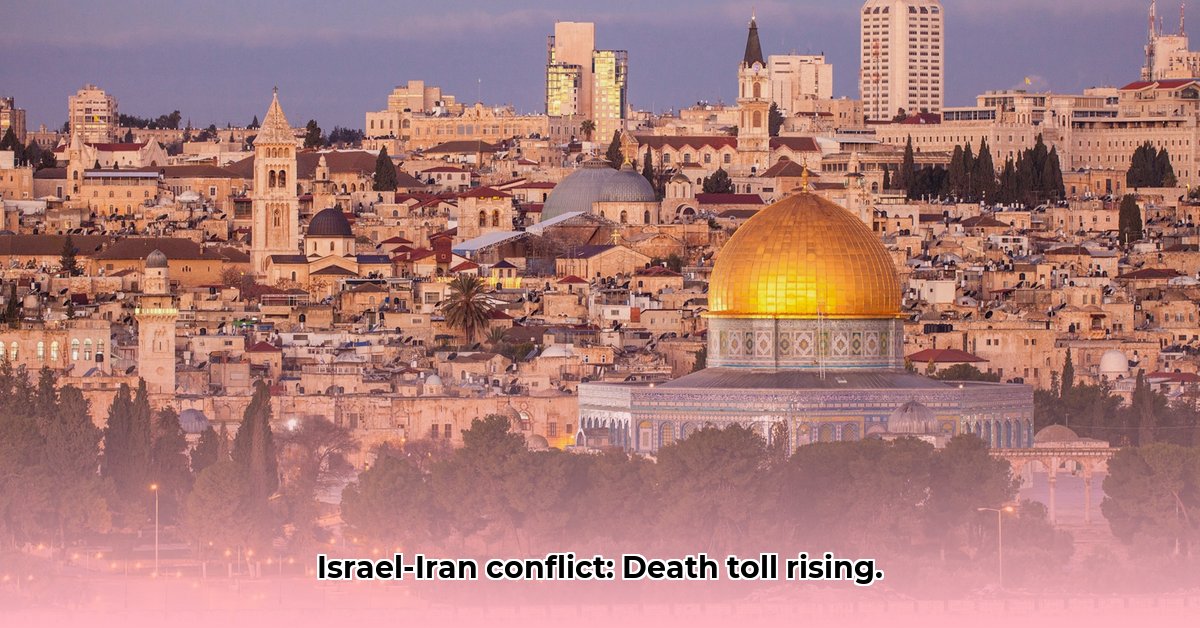
Things have taken a dramatic turn in the Israel-Iran conflict, with recent Israeli air strikes resulting in a significant loss of life. While Iranian officials report hundreds dead, the exact casualty figures remain unclear amidst the volatile situation. Israel justifies the strikes as a necessary preemptive measure, but Iran denounces them as an act of aggression, vowing retaliation. This escalation raises serious concerns about regional stability and international law.
The Human Cost: A Devastating Toll
The human impact of these strikes is undeniably severe. Reports detail widespread destruction and the tragic loss of innocent lives. The uncertain number of civilian casualties adds to the tragedy and complexity of the situation. Families are torn apart, and communities are shattered, highlighting the devastating consequences of conflict. This begs the question: What long-term impact will this have on regional stability, and will tensions continue to spiral?
The Military Action: Self-Defense or Unprovoked Aggression?
Israel asserts it acted on intelligence indicating an imminent Iranian attack, necessitating preemptive action. Iran vehemently denies this, framing the strikes as a blatant act of war. This "he said, she said" scenario makes determining the truth extremely difficult. However, the military actions have undeniably escalated the situation, raising critical questions about the legality of preemptive strikes and the thresholds for armed conflict. Can a country resort to preemptive strikes without violating international law, and are there any checks and balances in place?
Geopolitical Alliances: Shifting Sands
This conflict has significant implications for regional relationships and alliances. Turkey's recent comments hinting at the possibility of renewed nuclear negotiations showcase the complexity of the situation. Similarly, warnings issued by Yemen's Houthi rebels – often associated with Iran – add another layer of tension. This intricate web of alliances and rivalries makes predicting the future trajectory of these relations extremely challenging. Will this conflict further destabilise the region, and how will these shifting alliances reshape the geopolitical landscape?
International Law: A Murky Legal Landscape
The legality of Israel's actions is a deeply contentious issue. International law offers ambiguous guidance on preemptive strikes, especially those targeting nuclear facilities. This conflict tests the boundaries of international law, provoking debate around self-defense and justifiable warfare. What legal recourse do both sides have? Can the international community effectively intervene to de-escalate the situation?
Looking Ahead: Uncharted Territory
The Israel-Iran stand-off is far from resolved. Both sides remain entrenched, leaving the near future shrouded in uncertainty. The potential for further escalation is very real, with potentially far-reaching consequences. The region is already unstable, and this conflict casts a long shadow of uncertainty over the future. What are the foreseeable consequences of continued conflict, and what possibilities exist for peaceful resolution?
Impact Analysis: A Summary
| Factor | Short-Term Impact | Long-Term Impact |
|---|---|---|
| Military Actions | Significant loss of life; widespread infrastructure damage; increased fear. | Potential for regional conflict; escalation of proxy wars; possible regional arms race. |
| Geopolitical Alliances | Strained relationships; potential for new alliances and partnerships. | Reshaped regional power dynamics; increased instability; heightened proxy conflicts. |
| International Relations | International condemnation and calls for diplomacy. | Potential for new sanctions; altered international cooperation; impacted peace processes. |
| Public Opinion | Strong Israeli support; widespread anger and outrage in Iran. | Shifts in global opinion; impact on future peace-building efforts. |
The situation remains fluid, with new information emerging constantly. Experts continue to analyse the unfolding events, whilst understanding of the long-term implications remains incomplete. The potential for devastating outcomes underscores the need for informed engagement with this complex and volatile conflict.
(Note: This article reflects information available at the time of writing and may not encompass all subsequent developments.)